Linen Craft Across Europe: Traditions, Techniques, and Contemporary Makers
An editorial exploration of linen's journey through flax fields, looms, and ateliers across Europe, interwoven with profiles of distinguished artisans and memory-keepers who sustain the craft today.
Linen whispers of place and time. It grows from a field of blue-bluish flax, through retting and scutching, to spinning and weaving. In Belgium, Italy, and Lithuania, linen has been a living archive: a material that records climate, soil, tools, and the patient hands of weavers. This article threads together those regional memories with portraits of contemporary makers who draw from ancestral methods while embracing sustainable practices and modern design vocabularies. The story unfolds like a well-wrought linen cloth: its weave reveals, its texture invites touch, and its history rests in careful, honest craft.
What follows is a guided tour through European linen geography—where flax grows, how it is transformed, and who preserves these techniques for future generations. We also offer a candid look at how museums, archives, and heritage centers curate and conserve the linen record, making materials historically legible for curators, students, and designers alike. This is a non-commercial, informational odyssey that treats linen as cultural heritage as much as textile commodity.
Regional Roots: From Flax to Fabric
Linen’s journey begins in flax, whose long fibers are quietly resilient. In Belgium and Lithuania, flax has long rooted the local economies and artisanal identities. The retting process—where bark-like layers of flax are loosened to separate fibers—has historically defined regional methods, timelines, and impacts on fiber texture. In Belgium, the Ardennes region has a storied tradition of robust, earthy linens that speak to the damp climate and the patience of the craft. In Lithuania, a country with a deep linen heritage, retting and spinning were integrated into village economies, with generations passing down both technique and knowledge.
Italy offers another thread in this tapestry—where linen weaving meets a tradition of sleek architectural lines and tactile restraint. Italian linen, known for its crispness and breathability, often carries a quiet, refined demeanor. The plain weave, the hemstitch, and the understated texture communicate a design language that aligns with Italian craftsmanship: purposeful, enduring, and modest in its opulence.
Lithuania’s linen culture is not only a material practice but a repository of textile memory. The Baltic region’s mills and ateliers have preserved motifs and embroidery techniques that echo centuries of linen usage—from household linens to ceremonial textiles. Contemporary makers in Lithuania frequently blend traditional motifs with minimalism, producing pieces that feel both antique and very much of their time.
Contemporary Makers: Interviews and Studio Workflows
The modern linen workshop is a site where old rituals mingle with contemporary design. We spoke with three figures across different eras who illuminate how linen craftsmanship persists and evolves:
- Antonia V. (b. 1932) — The Weavers of Ardennes: A veteran in the Belgian linen world, Antonia’s approach blends century-old shuttle weaving with a modern eye for proportion. Her studio emphasizes slow weaving and natural dye processes, maintaining a rhythm that honors the material’s temperamental tendencies—sturdy yet susceptible to over-processing. Her work embodies a bridge between antique techniques and contemporary interiors.
- Gintaras Š. (b. 1967) — Lithuanian Linen Atelier Founder: A designer who grew up amid linen fields, Gintaras creates small-batch textiles using traditional retting principles alongside contemporary looms. His studio prioritizes sustainable sourcing, local flax suppliers, and a transparent workflow that reveals the fiber’s origin from field to fabric.
- Elena Moretti (b. 1985) — Italian Linen Studio Director: Elena’s practice blends architecture-influenced minimalism with linen textures, producing textiles that suit modern homes without abandoning the linen’s innate breathability. Her interviews reveal a meticulous attention to edge finishes, hemstitching, and the careful selection of flax blends for nuanced hand and drape.
These conversations underscore a shared conviction: linen is at once a material and a narrative, a record of place, time, and patient labor. The craftspeople highlighted here are not just technicians; they are custodians who translate memory into texture, creating linen pieces that invite touch and storytelling alike.
Linen in Museums and Heritage Centers
Museums and heritage centers preserve linen as both artifact and instrument. European centers curate linen from flax-growing regions, reticulate heirloom textiles, and document weaving techniques through catalogs, curated galleries, and digitized archives. The goal of these institutions is to make linen’s centuries-old vocabulary accessible to researchers and the public alike, translating weight, weave, and fiber into comprehensible history. The collections become a ground for comparative study: how linen in one region differs in fiber length, luster, and weave structure from linen in another, and how those differences shape regional identity and aesthetic taste.
A useful entry point for readers: a glossary of regional terms and methods, from retting variations to hemstitch finishes, and a compact field guide to identify linen types by weave, fiber diameter, and finish. The museums’ role is less about commodification and more about stewardship—ensuring that linen’s rich, cross-border conversation remains legible for future scholars, designers, and curious readers.
Glossary of Regional Terms and Methods
- retting: A process that softens the flax stem to separate fibers; variations affect fiber softness and luster.
- hemstitch: A decorative stitch along the edge of fabric that also reinforces the hem.
- plain weave: The simplest, most common linen weave, producing a crisp, flat surface.
- laciness and lace inset: Delicate decorative details in linen fabrics, often Italian in origin, adding visual airiness without bulk.
- slub and texture: Subtle irregularities in the yarn that add character to the fabric’s surface.
A Featured Contemporary Collection from Europe
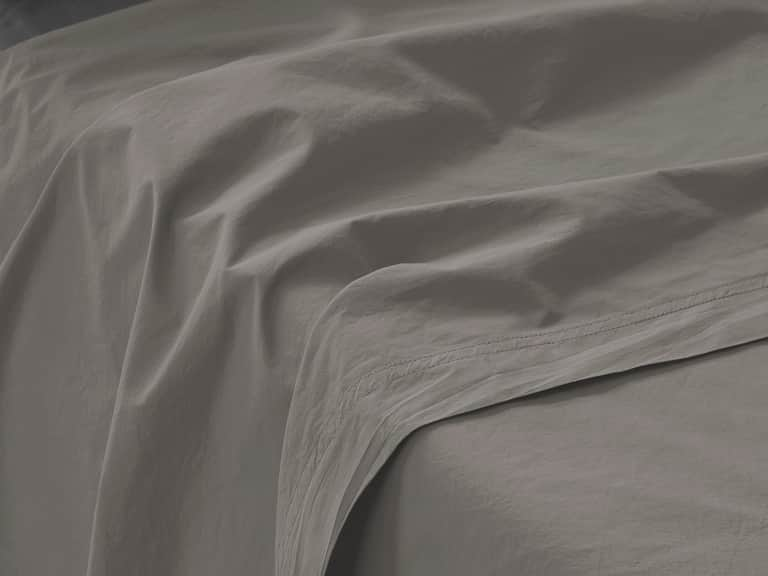
To bring these threads together, we spotlight a modern textile piece that embodies the fusion of traditional linen craft with contemporary design. The White Silk Fitted Sheet—though not linen, stands as a ceiling-of-texture exemplar in a broader family of premium fabrics used in European textile crafts. Made from 100% mulberry silk with a 22 momme weight and a 15-inch pocket depth, it demonstrates how luxury textiles in Europe often share a philosophy of meticulous finishing and durable construction. The sheet’s smooth surface and reliable fit echo the meticulous edge-work and careful fiber selection that characterizes high-end linen pieces. While linen remains a central thread, silk and other noble fibers participate in the same values of craft, heritage, and longevity. See the product highlight for reference and context below, including visual details that illustrate its quiet elegance and durability.
White Silk Fitted Sheet
100% mulberry silk, 22 momme, 15" pocket depth. A glimpse into European premium textile sensibilities.
While the linen story anchors this feature, the silk example serves as an entry point to understand how European makers balance luxury with durability across fiber families. The silk fitted sheet demonstrates the care and precise finishing that also appear in fine linen garments and bedding. Its 22 momme weight suggests a plush, substantial hand, yet the surface remains smooth and breathable—a harmony of strength and tactility that textile cultures prize.
Closing Thoughts: The Continuity of Linen Craft
Linen is more than a fabric; it is a continuum. The roadside flax field, the spinning wheel’s rhythm, the loom’s whisper, and the finished fiber’s quiet critique—these are all elements of a discipline that insists on memory, care, and responsibility. European linen craft persists not because it lingers in nostalgia, but because it persists in the productive tension between legacy and innovation. Today’s ateliers honor the patient, patient, hands that have tended flax for generations, while embracing new tools, sustainable practices, and thoughtful design that speaks to contemporary sensibilities without betraying the discipline’s identity.
References and further reading: museum catalogs, regional textile societies, and contemporary makers’ interviews available through heritage centers and design studios. The aim here is to provide an entry point into linen’s European depth—an invitation to readers to observe how fabric becomes culture and how culture informs fabric.